
Disclaimer: This article is written with the utmost respect for all communities and individuals. The intention is not to offend or promote any form of discrimination but to explore perspectives on marriage partner choice.
In ancient India, marriage was not just a personal choice; it was deeply rooted in social and professional stability.
Why Were Our Forefathers So Firm on Caste Marriages?
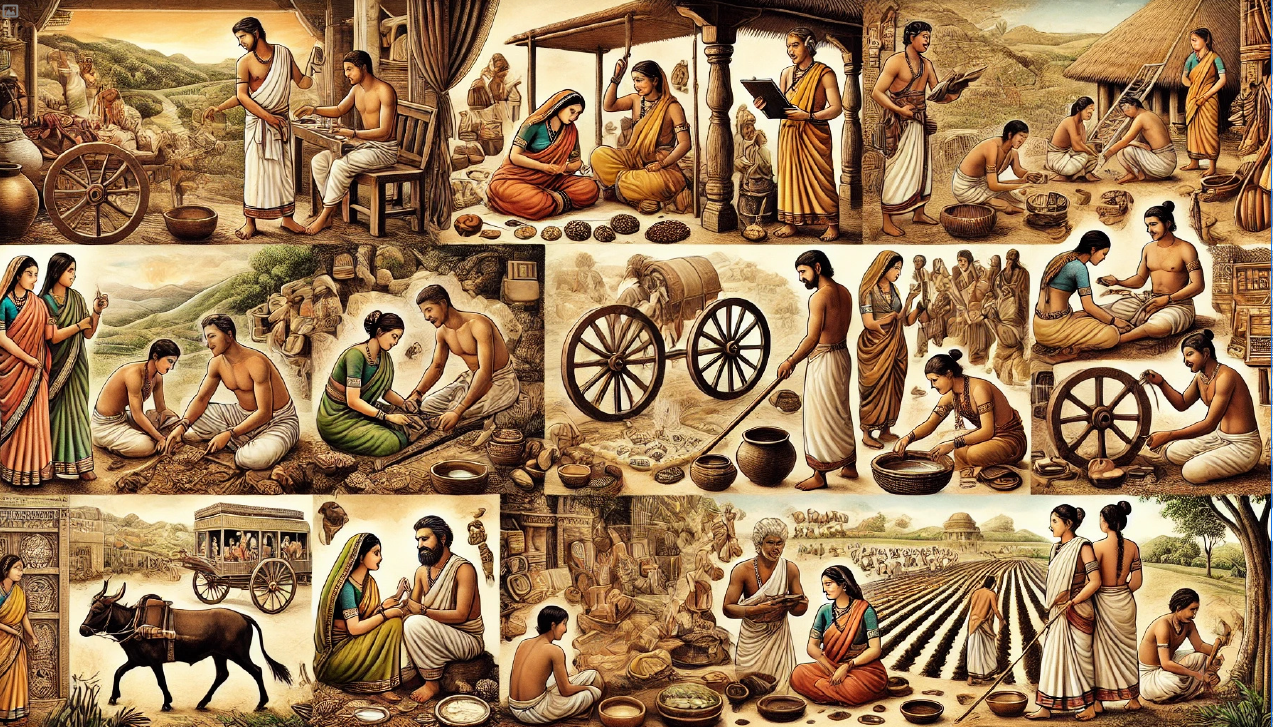
To understand this, we first need to explore how castes were divided and why marriage within the same working community was considered essential. Caste (varna or jati) was primarily based on occupation, meaning each family specialized in a particular trade—whether it was medicine, warfare, farming, pottery, weaving, or leatherwork.
In ancient times, external labor was neither easily available nor preferred for multiple reasons. Hiring outsiders was costly, unreliable, and often unnecessary when every household functioned as a self-sustained business unit.
This system created a strong dependency on the wife’s skills. The wife’s role was not limited to the household; she played a crucial part in supporting her husband’s work (family business).
For a husband or a family business, a trained wife was essential, as she could easily integrate into the household’s work without disruption. A newcomer from a different profession would take time to learn the trade and might lack the necessary skills, creating challenges in both personal and professional life. This could lead to family tensions, difficulties in adjusting, and even strained relationships—both within the household and with the extended family.
Such instability was considered inauspicious, and to avoid these challenges, marrying within the same professional community became a common practice. Over time, this practical necessity turned into an unquestioned tradition, and as generations passed, people continued to follow it blindly without understanding the original reasoning behind it.
Here’s a breakdown of various professions and how marrying within the same occupation helped both personal and business life:
1. Vaidya (Doctor) Family
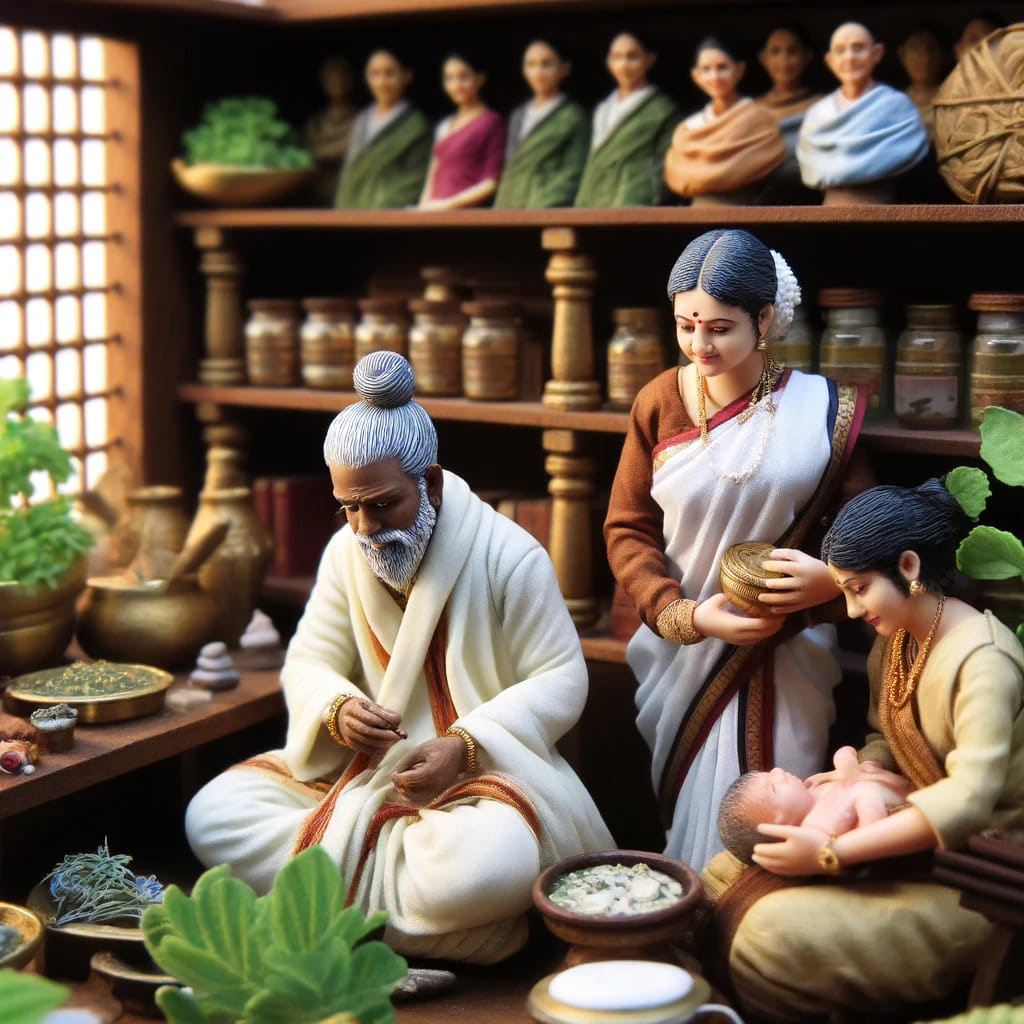
A Vaidya (traditional doctor) needed extensive knowledge of herbs, treatments, and diseases. If he married a woman from a medical family, she would have already seen her father or relatives working in the fi eld. She could assist in preparing herbal medicines, treating women and children, and even acting as a midwife.
2. Kshatriya (Warrior) Family (Kshatriya comes from the Sanskrit root "Kshatra" (क्ष त्र ), meaning "power, rule)
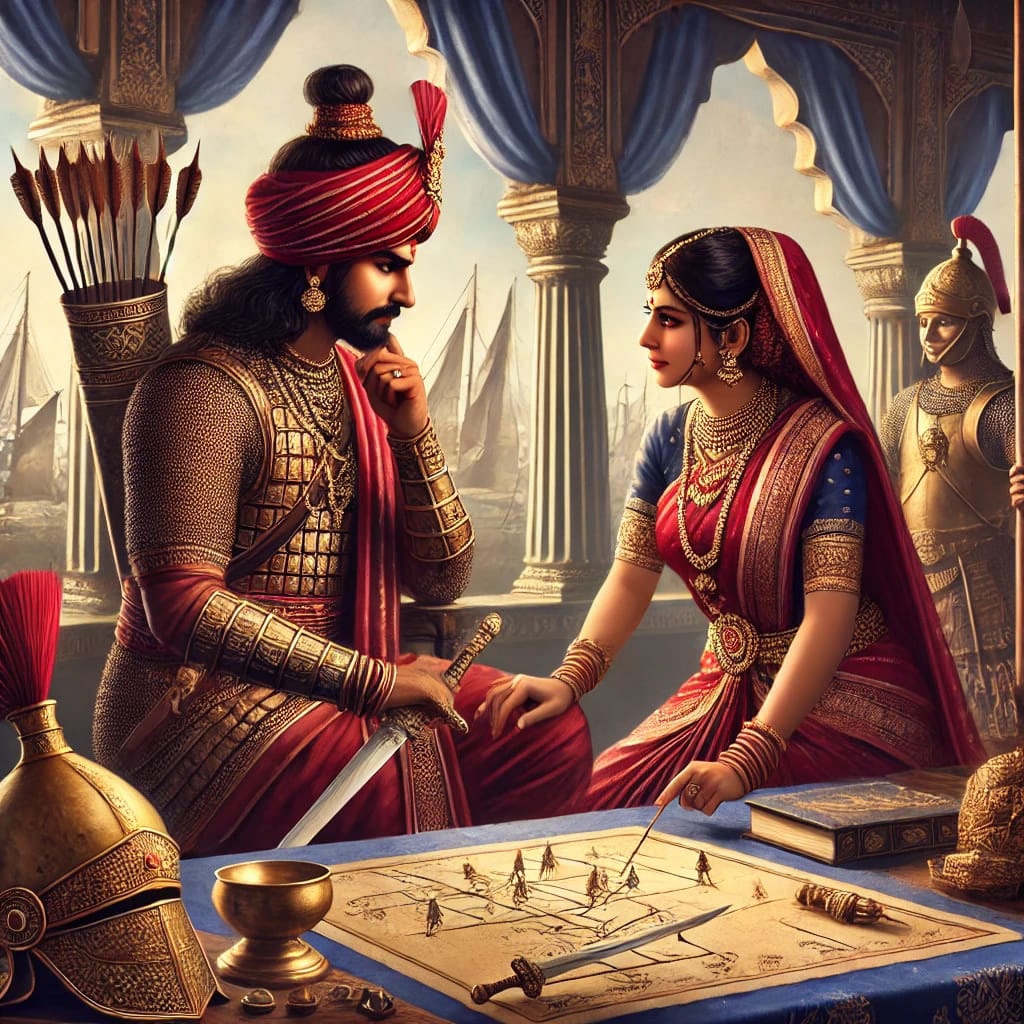
A warrior’s life was filled with battles, strategies, and discipline. A wife from a warrior family would understand the demands of military life—how to manage the household in his absence, train their sons in warfare, and uphold the family's honor. She might have seen her father or brothers preparing for war and would naturally support her husband in planning battle strategies or handling diplomatic matters. If she came from a diff erent profession, adjusting to the harsh realities of a Kshatriya life could be challenging, creating both emotional and practical struggles.
3. Brahmin (Priest & Scholar) Family
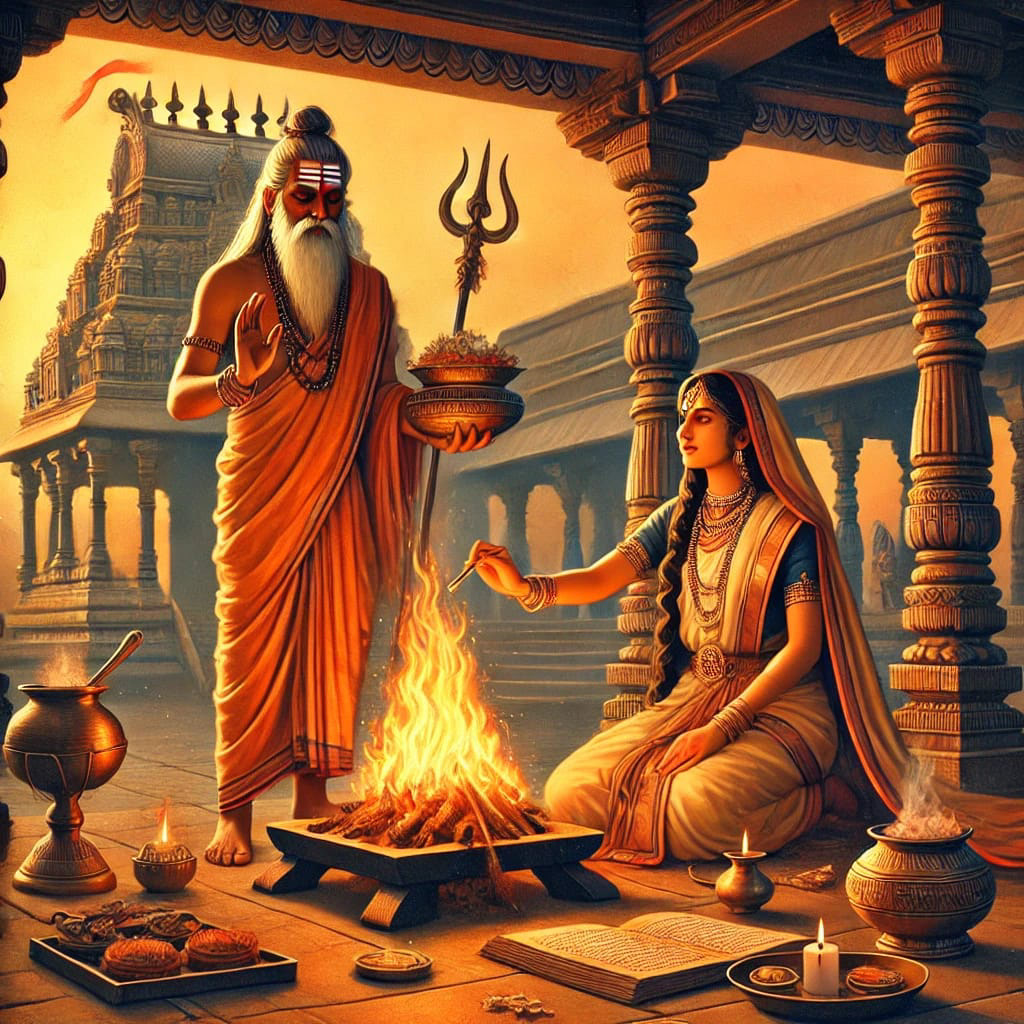
Brahmin families were responsible for religious rituals, temple duties, and teaching Vedic knowledge. A wife from a Brahmin household would already be familiar with rituals, sacred texts, and household purity rules. She could assist her husband in preparing for ceremonies, maintaining religious traditions, and educating children. A wife unfamiliar with these customs might unknowingly break religious taboos, causing tension within the family and the community.
4. Farmer Family
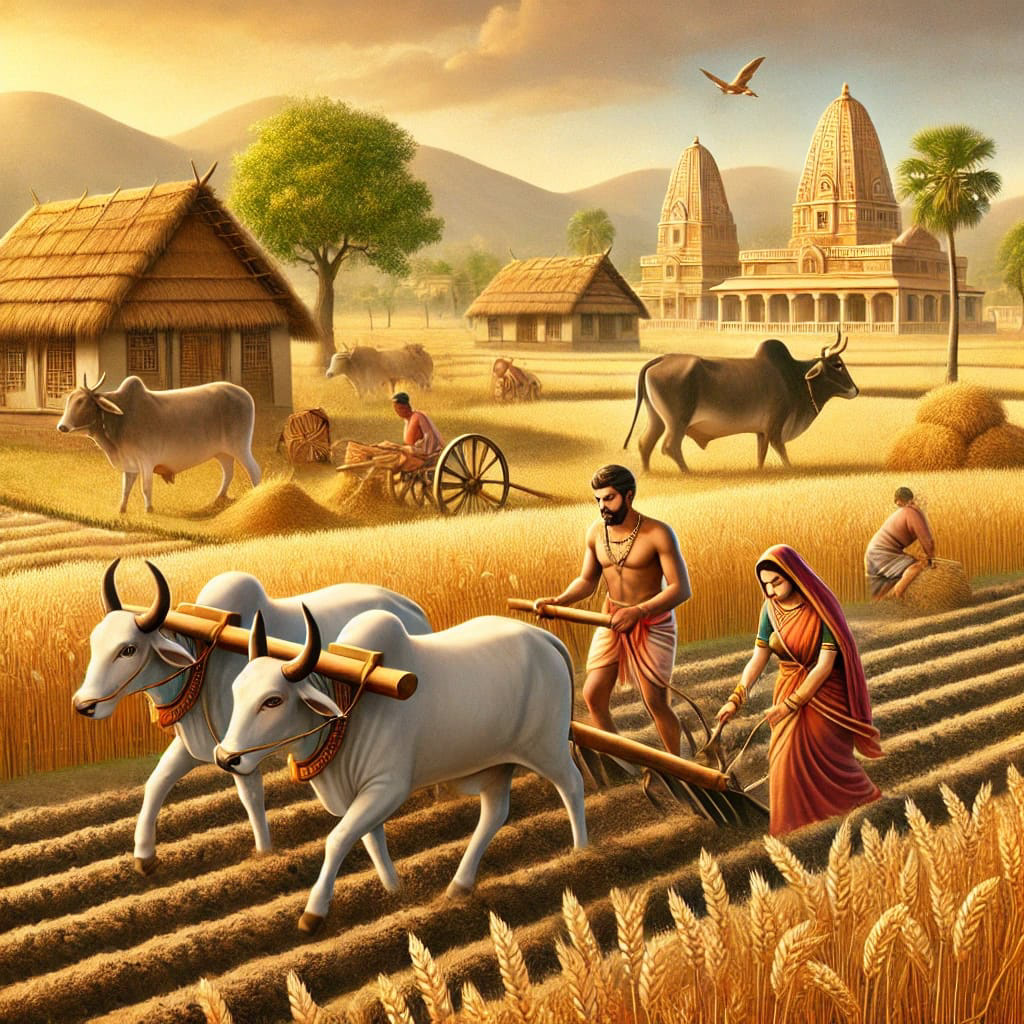
Farming was not just about plowing fields; it involved livestock management, grain storage, irrigation planning, and seasonal knowledge. A farmer’s wife needed to know when to store grains, how to handle cattle, and when to prepare for sowing or harvesting. A woman from a farming family would have learned these skills from childhood. If she came from a non-farming background, she might struggle with basic tasks, affecting both the family’s livelihood and daily functioning.
5. Potter Family ("Kumbhar" comes from "Kumbh" (pot) meaning potter)
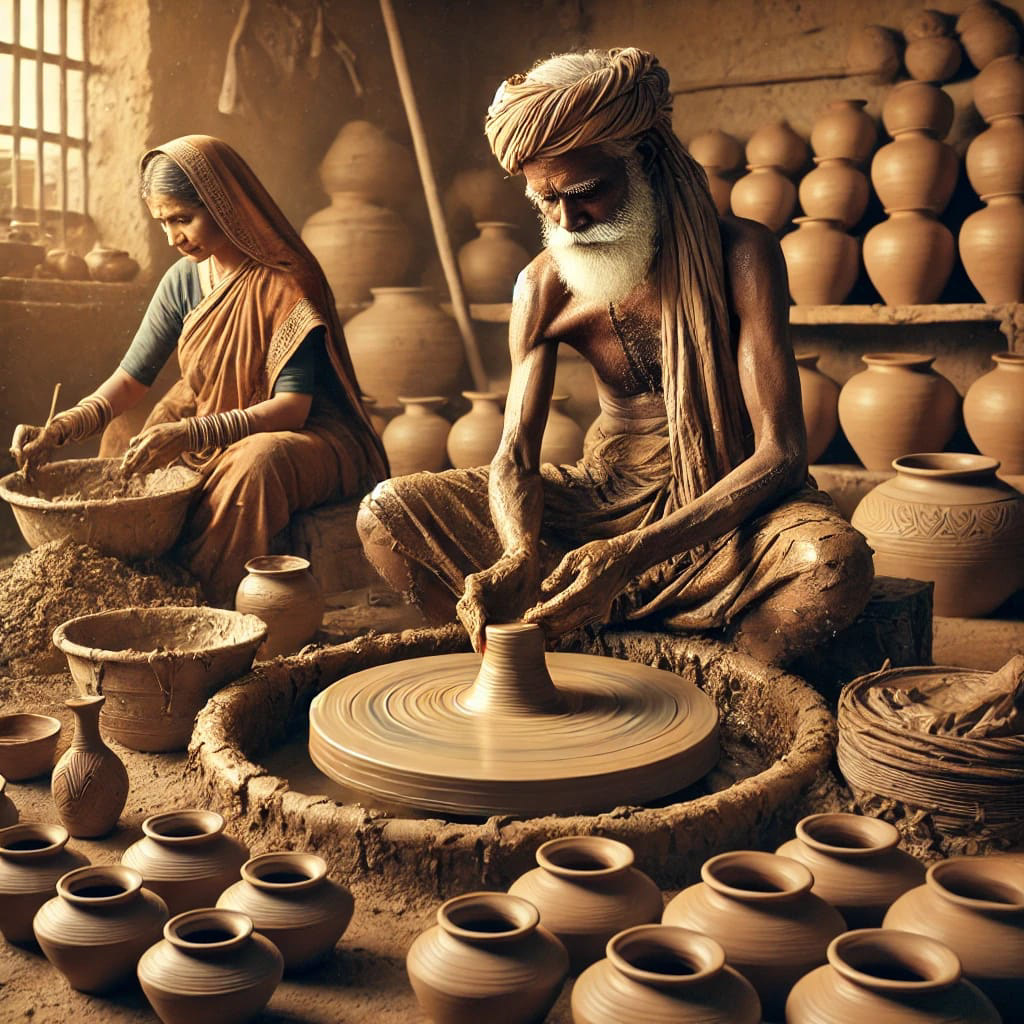
A potter’s business depended on clay preparation, shaping, firing, and decorating. A wife from a potter’s family would have seen these techniques in practice and could immediately assist in handling raw materials, maintaining the kiln, and decorating pots for sale. This division of labor made the business more efficient. A wife unfamiliar with pottery might take years to learn, delaying production and affecting income.
6. Weaver Family ("Julaha" is a term traditionally used for weavers, derived from the Persian word "Julah", meaning weaving)
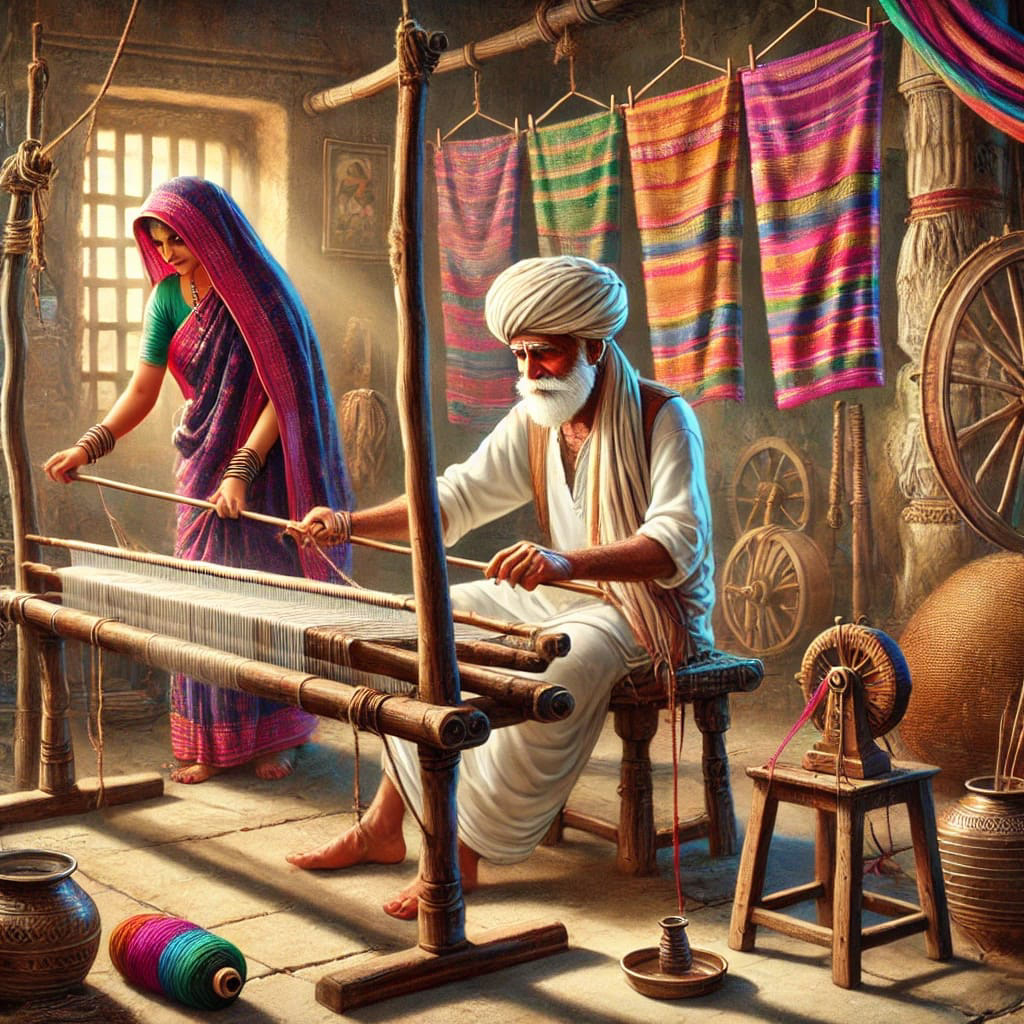
Weaving required precision, patience, and knowledge of different textiles. A weaver’s wife played a crucial role in spinning thread, dyeing fabric, and even handling sales. If she already came from a weaving family, she could instantly contribute, ensuring continuous production and trade. If not, she would have to start from scratch, slowing down the process and causing disruptions.
7. Leather Worker Family (Chamar comes from "Chamda" (चमड़ा ), meaning leather. It originally referred to those skilled in tanning hides and crafting leather goods like shoes, bags, and saddles)
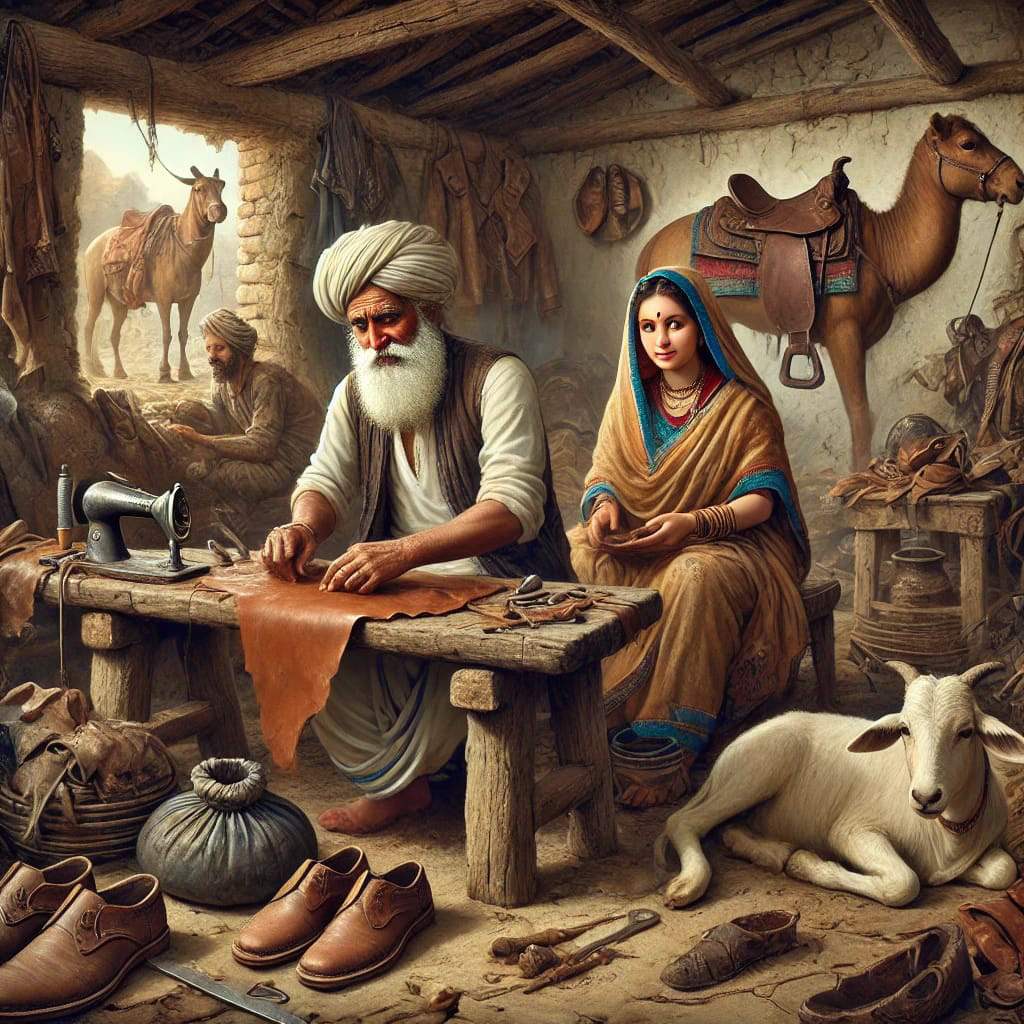
Leather working involved tanning hides, crafting shoes, bags, and other goods. A wife from a leather-working family would already know how to process raw materials, stitch items, and handle customers. This helped in making the business self-sufficient and profitable. A wife unfamiliar with this trade might struggle with the unpleasant aspects of leatherwork, aff ecting both work and household harmony.
Conclusion
In every profession, a trained wife ensured that the family business thrived, household responsibilities were managed smoothly, and there was no conflict in adapting to a new lifestyle. This system was built on practical efficiency rather than blind tradition. Over time, people forgot the real reasons and continued caste marriages without understanding their original purpose.
Should We Marry Within the Same Profession Today?

Yes, rather than focusing on the caste system of the past, it's more practical to think in terms of professions and skill-based compatibility. In earlier times, caste and profession were closely linked, but today, marrying within the same profession or a related field makes more sense for career growth, emotional support, and family stability.
Why Marrying Within the Same Profession Works Best Doctors should marry doctors because they understand the stress, long hours, and medical ethics. They can even open a joint clinic or hospital.
Soldiers should marry someone from a military background, as they understand discipline, risks, and emotional challenges. A soldier’s wife often has to manage everything alone during deployments.
Teachers should marry teachers, as they can run a coaching institute, school, or tutoring center together. Education is a lifelong career, and having a like-minded partner ensures smooth collaboration.
Financial analysts & business professionals should marry within their field to plan investments, grow businesses, and achieve financial stability together.
Farmers & agricultural experts should marry within the farming community, as they understand seasonal work, livestock care, and crop management, ensuring a successful
farm business.
Artists, musicians, and writers should marry within creative fields, as they understand the struggle of building an artistic career and can inspire each other.
IT professionals & engineers should marry within tech fields, as they can work on innovations together, collaborate on projects, and understand work-life balance in a tech-driven world.
Rather than marrying based on old caste labels, we should focus on shared skills, common goals, and mutual professional understanding. This leads to stronger relationships, better businesses, and a more balanced life.
Why Marrying Within the Same Profession Works Best Doctors should marry doctors because they understand the stress, long hours, and medical ethics. They can even open a joint clinic or hospital.
Soldiers should marry someone from a military background, as they understand discipline, risks, and emotional challenges. A soldier’s wife often has to manage everything alone during deployments.
Teachers should marry teachers, as they can run a coaching institute, school, or tutoring center together. Education is a lifelong career, and having a like-minded partner ensures smooth collaboration.
Financial analysts & business professionals should marry within their field to plan investments, grow businesses, and achieve financial stability together.
Farmers & agricultural experts should marry within the farming community, as they understand seasonal work, livestock care, and crop management, ensuring a successful
farm business.
Artists, musicians, and writers should marry within creative fields, as they understand the struggle of building an artistic career and can inspire each other.
IT professionals & engineers should marry within tech fields, as they can work on innovations together, collaborate on projects, and understand work-life balance in a tech-driven world.
Rather than marrying based on old caste labels, we should focus on shared skills, common goals, and mutual professional understanding. This leads to stronger relationships, better businesses, and a more balanced life.